Wing Foiling in Hood River, Oregon: The Columbia Gorge Guide for Every Rider
The Short Version
- The Columbia Gorge fires on a thermally driven pressure gradient — hot desert air meeting cool Pacific air — making Hood River reliably windy from mid-May through September without chasing weather luck.
- Typical sessions run 15–30 knots; pack a 3–4m wing, not your big sail, and enjoy salt-free freshwater on the Columbia.
- The Event Site is the main hub for all skill levels; The Hatchery offers rolling chop west of town but parking is tightly restricted — follow staff instructions.
- Gorge downwind runs require planning ahead: Swell City to Hatch Basement (1–1.5 miles) needs a CGW2 membership and $80 seasonal launch pass; Hatch Laps (0.75–1.0 miles) is the beginner entry point.
- Wylde Wind & Water, a local 501(c)(3), has reached over 4,077 people through fifteen free programs in three years — including a free weekly wingfoil orientation open to visiting riders.
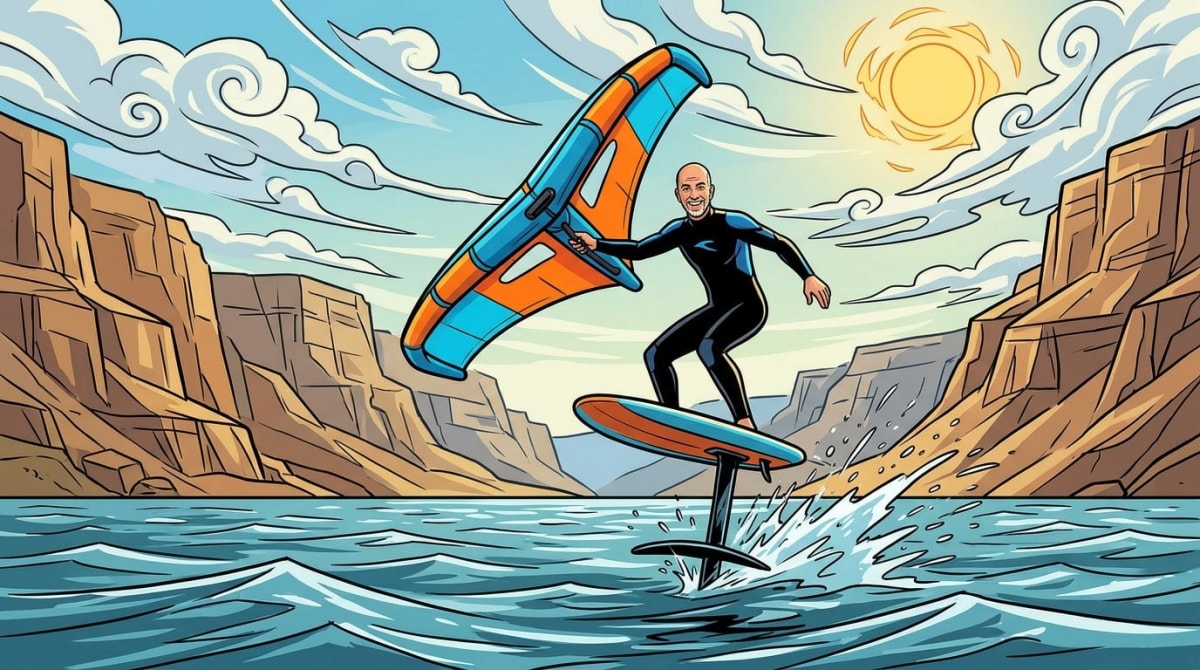
The Columbia Gorge does something no ocean beach can replicate — and wing foiling Hood River, Oregon has built an entire riding culture around it. Hot, dry air east of the Cascades meets cool Pacific air pushing through the mountains, and the pressure differential has nowhere to go but through: a thermal engine that fires reliably from mid-May through September. If you have been chasing consistent wind your whole foiling life, Hood River is the answer.
Why the Gorge Runs Every Day: Hood River's Wind System
Why the Gorge Runs Every Day: Hood River's Wind System
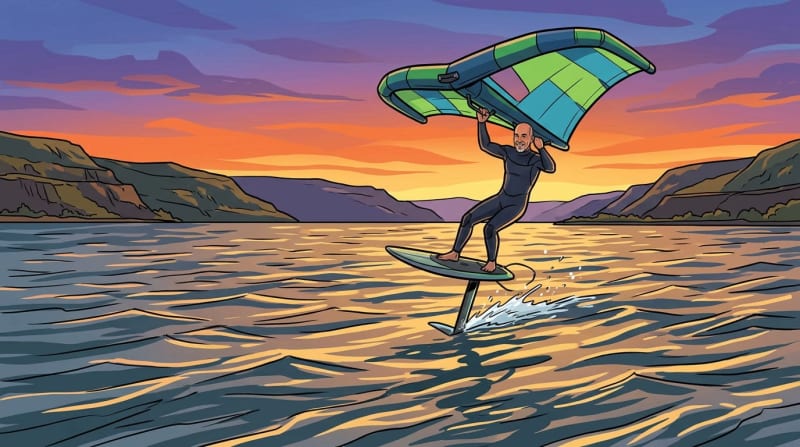
The Gorge's pressure gradient is thermally self-sustaining. As long as the eastern Oregon plateau bakes under summer sun and the Pacific coast stays cool, the wind runs. That is not weather-dependent luck — it is physics, and it shows up across the season without the variability you get chasing ocean swells.
Typical conditions run 15–30 knots, with summer afternoons regularly pushing the upper end. Pack a 3–4m wing. This is not a big-sail destination on most days. The season runs mid-May through September, with shoulder months on each end. One detail worth noting before you arrive: the Columbia River is freshwater. No salt, no corrosion. A full summer of sessions here and your foil comes home looking better than when it arrived.
Where to Launch: Hood River's Main Wing Foiling Spots
Where to Launch: Hood River's Main Wing Foiling Spots
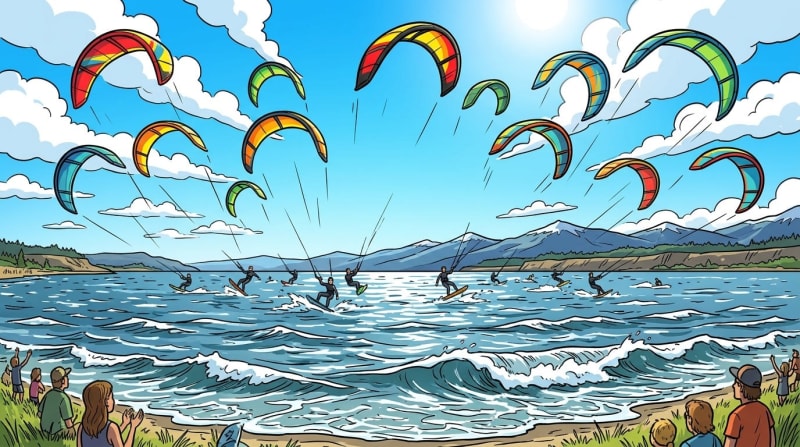
The Event Site is where the action is. It is the main hub for Hood River wing foiling — consistent wind, straightforward beach access, and riders at every skill level sharing the same water. On a strong July afternoon, the number of wings in the air tells you everything about why people keep making the trip.
The Hatchery sits west of town with rolling chop and steady wind. One firm note for visiting riders: parking at the Hatchery is tightly managed and past violations have severely restricted access. Follow staff instructions exactly. This is not a situation where forgiveness works better than permission.
For Columbia Gorge downwinding, two runs define the experience. Swell City to Hatch Basement covers 1–1.5 miles and requires a CGW2 membership plus an $80 seasonal launch pass — arrange both before you arrive, not after you land. The beginner-accessible option is Hatch Laps, which runs 0.75–1.0 miles and serves as most visiting riders' first taste of Gorge downwinding. Build either run into your itinerary.
The Learning Scene That Makes Hood River Worth the Trip
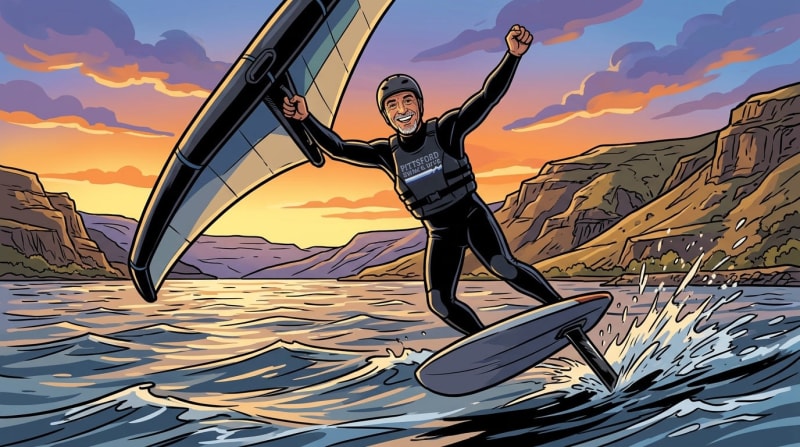
The Learning Scene That Makes Hood River Worth the Trip
Big Winds is Hood River's flagship shop for wing foiling lessons, rentals, and gear from the major brands. Visiting riders who can't ship equipment have a complete on-ramp here — book water time before you land.
The deeper story is Wylde Wind & Water, a 501(c)(3) nonprofit running free weekly wingfoil orientations alongside youth camps and a youth team. In its first three years, Wylde Wind & Water reached over 4,077 people across fifteen programs. All free. Those numbers say something specific about what this riding community has decided to be.
The local community guide puts it plainly: "we celebrate each person's successes. We cheer for the progress each person is making." That describes what actually happens on that beach when someone lands their first jibe.
The free orientation is worth attending even if you are already riding. You will meet locals who have been on the Columbia for years and that knowledge is worth more than another hour of forum research. Check the current schedule at wyldewindandwater.org before you book flights.
Content ID: OtXwGUvyZXZmchbFGLTAmOqS
See an error? Tell us.
Comments
Share with the Community