
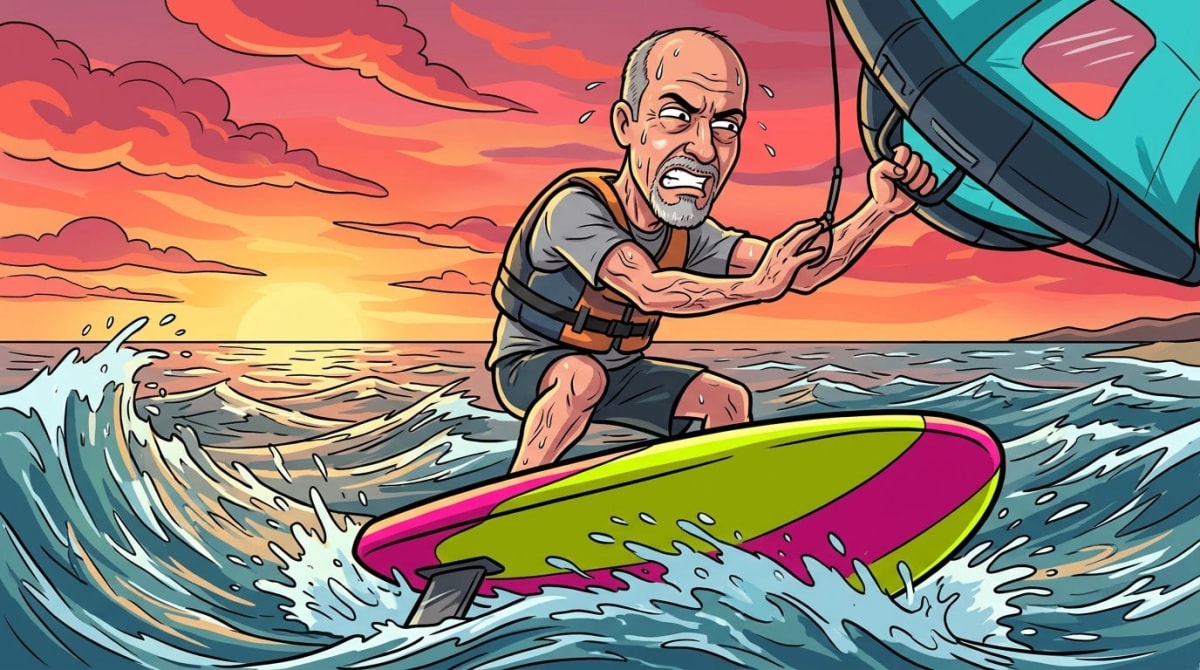
How to Know When It's Time to Upgrade Your Wing Foil Gear (And What to Upgrade First)
The Short Version
- The upgrade sequence is foil first, board second, wing third — the order matters as much as the timing.
- Constantly falling off the back of waves is the clearest sign your foil needs to go — your equipment can't match the pace, and practice won't fix that.
- The intermediate foil sweet spot is around the 800 size range with an 8–10 aspect ratio: efficient and capable without demanding race-level technique.
- Board drag is invisible until it's gone — stepping from a 22–25-inch wide beginner board to a 21-inch mid-length unlocks speed your upgraded foil is already capable of delivering.
- A light-wind wing (6m–8m depending on rider weight) converts missed forecast days into real sessions — it's the highest-return purchase in the intermediate quiver.
The question comes up at every session. Someone on a chunky beginner board is working harder than they should, not getting the glide they expected, wondering if the problem is them. Usually it isn't. Knowing when to upgrade wing foil gear — and which piece to upgrade first — separates the riders who progress steadily from those who stall and assume they need more practice.
The sequence matters as much as the timing: foil first, board second, wing third.
When to upgrade your foil: the moment your front wing stops keeping up
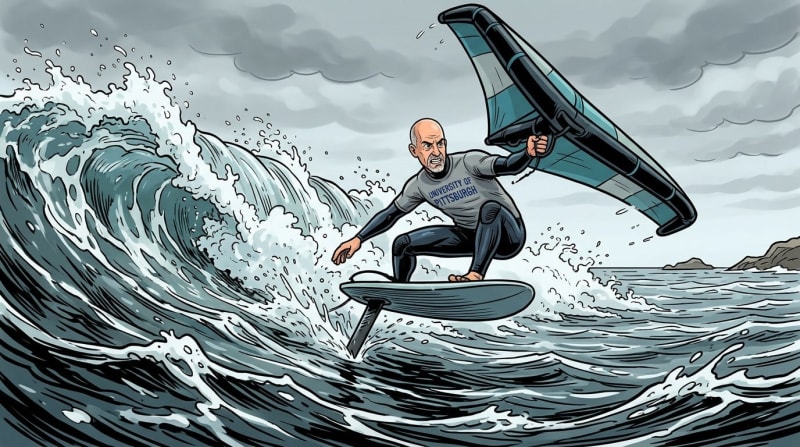
When to upgrade your foil: the moment your front wing stops keeping up
The clearest signal comes in waves. According to MACkite's gear team, "If you're riding waves and constantly falling off the back because your foil simply isn't fast enough to keep up, that's a glaring sign you need an upgrade." You know the feeling — you're pumping hard, the wave is moving faster, and you're losing ground on every attempt.
The opposite sign shows up in bigger conditions: too much lift from a beginner foil built to get you up, not to help you manage speed. Both problems point the same direction.
The intermediate target, per MACkite's recommendations, is around the 800 size range with an 8 to 10 aspect ratio — a meaningful step down from the 1100–1200+ volume beginner foils, but not a race glider. A mid-to-high aspect foil in that range covers most conditions without demanding technique you haven't built yet.
Then the board: the drag you don't notice until it's gone
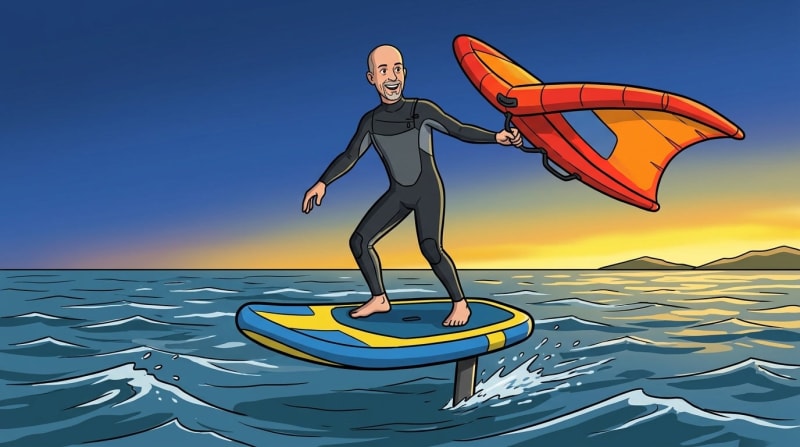
Then the board: the drag you don't notice until it's gone
Most riders assume their board is fine. It floats, it takes off, it works. What they don't feel is the drag a wide, short, chunky beginner board creates even when the foil is capable of more. The board becomes the ceiling.
The width is where it shows. Beginner boards often run 22 to 25 inches wide or more. Stepping down to a mid-length board in the 21–22 inch range or narrower opens up speed and release that wasn't there before. These boards are sleeker, cut more cleanly, and put you in a better position for the foil you've already upgraded.
Most intermediate riders land on a mid-length board and stay there for years. It covers most conditions and represents a real step forward without the instability that comes from going too small too fast.
Finally, the wing: why adding a light-wind option pays off immediately
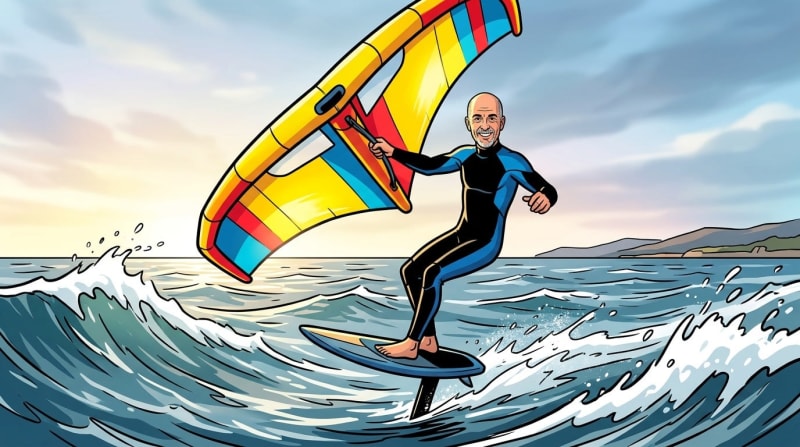
Finally, the wing: why adding a light-wind option pays off immediately
This is the upgrade people skip, and it costs them sessions. A bigger wing — 6m, 7m, or even 8m depending on your weight and local conditions — gets you on the water on days when everyone else with a 4m or 5m is watching from shore. Those missed days add up fast.
MACkite's quiver-building guide recommends spacing wings roughly a meter and a half apart to avoid redundancy. If your current wing is a 5m, a 6.5m or 7m fills the gap cleanly. What's right depends on your weight, your local wind range, and what you're already flying — there's no universal answer here.
The technique payoff is real. Light-wind riding strips away brute force and requires clean body mechanics and precise wing position. That discipline transfers directly back to stronger-wind sessions. A light-wind wing is the upgrade that turns a two-session week into a four-session week on a forecast that would otherwise have kept you home.
Content ID: 5NP57ZJ6dKu09zKRvmr4BatG
See an error? Tell us.
Comments
Share with the Community