

Armstrong Midlength MKII X-Form Foilboard: What a Second Generation Means for Your Riding
The Short Version
- The Armstrong Midlength MKII X-Form foilboard is now listed at REAL Watersports for $2,199–$2,599 — a second-generation board from one of the most respected names in wing foiling.
- MKII designations almost always reflect real rider feedback driving genuine design changes; finding out what specifically changed from the MKI matters more than the upgrade label itself.
- Midlength foilboards serve a specific rider: past survival mode, starting to choose lines, wanting a board that responds to growth without demanding expert precision on every run.
- The wing foiling community is a better spec sheet than any catalog — find someone who rode the MKI before committing over $2,000 to its replacement.
The Armstrong Midlength MKII X-Form foilboard just appeared at REAL Watersports, listed between $2,199 and $2,599 depending on size. That price and that name together tell a specific story — not the whole story yet, but enough to pay attention.
What a Second Generation Actually Signals
What a Second Generation Actually Signals
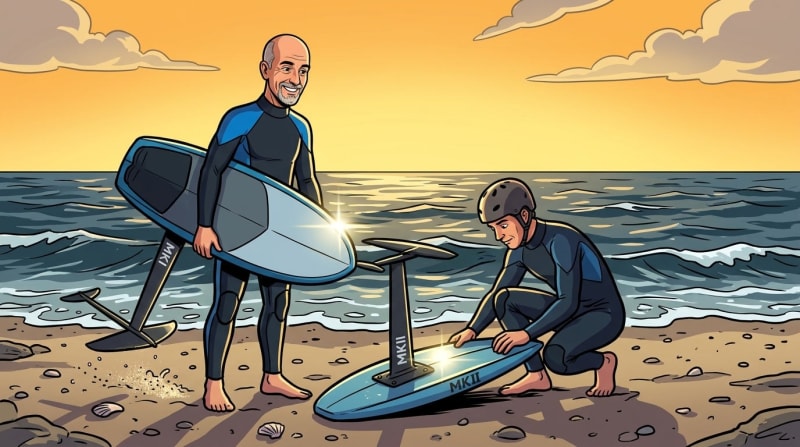
When a brand as established as Armstrong designates something MKII, they're not just renaming the same board. Second-generation products in wing foiling earn their names when the first generation accumulated enough honest field feedback to make redesign worthwhile. That means riders — people at your launch, in your sessions, dealing with your conditions — pushed the original enough to surface what needed to change.
The MKII doesn't tell you which problems got solved on its own. That's what detailed specs, hands-on reviews, and eventually on-water time reveal. But the designation itself is a meaningful signal. Armstrong builds boards that people ride seriously, which means their iteration process connects to real decisions made by real foilers. That's a different starting point than gear built to a marketing brief.
What actually changed from the first generation is the question worth asking before committing to this board. Find someone who rode the MKI. Read what they noticed after a season of use. That's where an MKII's real value becomes visible — not in the name, but in the specific differences that name represents.
The Midlength Format: What You're Choosing

The Midlength Format: What You're Choosing
Midlength foilboards occupy honest ground in a quiver. They're not the high-volume platforms that make early water starts survivable — those serve a different phase of the learning curve. And they're not the short, twitchy boards that reward tight technical control on every gust — those come later, or not at all, depending on what you enjoy. Midlength lives in between: responsive enough to feel alive under your feet, forgiving enough to stay usable when conditions get difficult or your focus slips.
The community around midlength riding tends to be people who got serious. Past survival mode. Starting to feel the difference between sessions where everything clicked and sessions where they were just getting through it. If that's where you are, a midlength board answers different questions than your first foilboard did.
The X-Form designation — whatever it specifically encodes in Armstrong's build language — signals structural intent. That's worth asking about directly when you reach out to REAL Watersports or walk into the shop. A good retailer selling a board in this category will know what the X-Form construction actually does and why it matters for your riding.
What the Price Point Communicates

What the Price Point Communicates
At $2,199 to $2,599, this is a considered purchase. That range reflects real carbon construction, quality deck pads, and precise insert placement — the kind of detail that matters when you're loading the board with force on every gybe and transition. It's not entry-level, but it's not at the ceiling of the market either. It's priced for a rider who expects to get multiple seasons out of it, not just a summer.
Mid-tier purpose-built foilboards have trended upward in price as the category matures and construction quality becomes a genuine differentiator rather than a marketing claim. A board in this range from a brand with Armstrong's track record sits in a different conversation than a budget alternative. The question is always whether the construction and design at this price point match what your riding actually demands — and that answer is specific to your weight, your conditions, and your ambitions on the water.
What would it feel like to ride a board designed to fix what its predecessor got wrong in exactly the conditions you deal with most? That's what riders already on the MKII will know — and they're not hard to find.
The Community Resource Worth Tapping First
The Community Resource Worth Tapping First
The wing foiling community is one of the more generous ones in action sports. People who've ridden Armstrong boards in the sizes and conditions that match yours will tell you exactly what to expect — and what to watch out for. Before you place an order, post in your local group. Message someone who was on an Armstrong board last season. That knowledge exists and the people who carry it generally want to share it.
REAL Watersports carrying this board is worth noting. A call to their team about who's already riding the MKII and what the early feedback looks like will give you better information than any spec sheet can. They carry gear they're willing to stand behind, which makes them a useful first call when you're evaluating something at this price.
The second generation of anything only improves on the first if riders actually push it far enough to find the edges. The Armstrong MKII X-Form is worth watching closely as the community starts to report back from those sessions.
Content ID: kSvD0nRB3By9e1IqQMuorcIX
See an error? Tell us.
Comments
Share with the Community