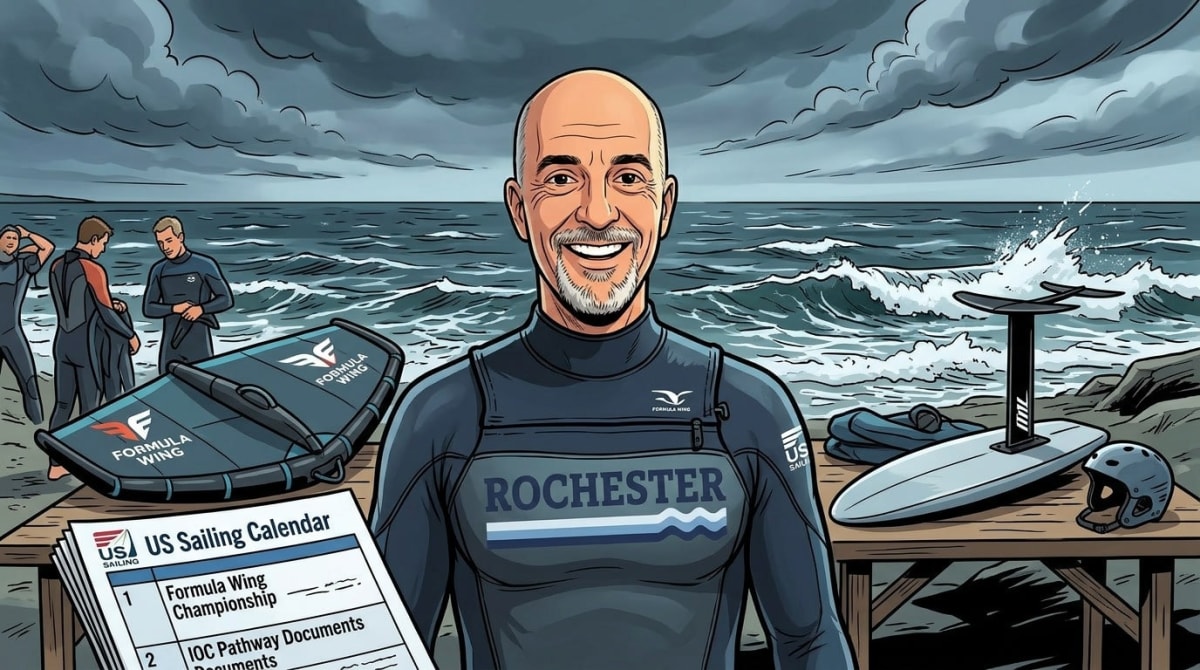
US Sailing Just Doubled Down on Wingfoiling: Two National Championships in 2026
The Short Version
- US Sailing has scheduled two national wingfoil championships in 2026 — the first time the discipline has had two national events in a single year — doubling down from one event in 2025.
- The summer championship runs July 30–August 2 at St. Francis Yacht Club on San Francisco Bay; the fall event is October 9-12 at Alamitos Bay Yacht Club in Long Beach.
- Both events run open class — no spec gear required, meaning your existing equipment qualifies you to compete at the national level with a US Sailing membership.
- 115 riders from 15 or more nations registered for the 2026 Portimao X-15 wingfoil series, showing the global competitive infrastructure is scaling rapidly alongside the US national calendar.
- A robust race ecosystem — national championships, world tours, inclusion programs — builds the coaching pipelines and development infrastructure that improve the sport for recreational riders too, not just competitors.
There's a specific feeling when something you love gets taken seriously by institutions that usually take decades to catch up. Not just noticed — actually put on the national championship calendar. In 2026, that's happening to wingfoil racing in the United States. And it's happening not once but twice.
US Sailing — the national governing body of American sailing, recognized by World Sailing and the International Olympic Committee — has scheduled two national wingfoil championships this year. One in summer on San Francisco Bay. One in fall in Long Beach. This isn't a grass-roots event on a borrowed beach permit. This is the organization that governs American sailing, doubling its investment in wingfoiling in a single season.
That deserves more than a calendar entry.
Two US Wingfoil Championships in 2026: Two Coasts, One Season
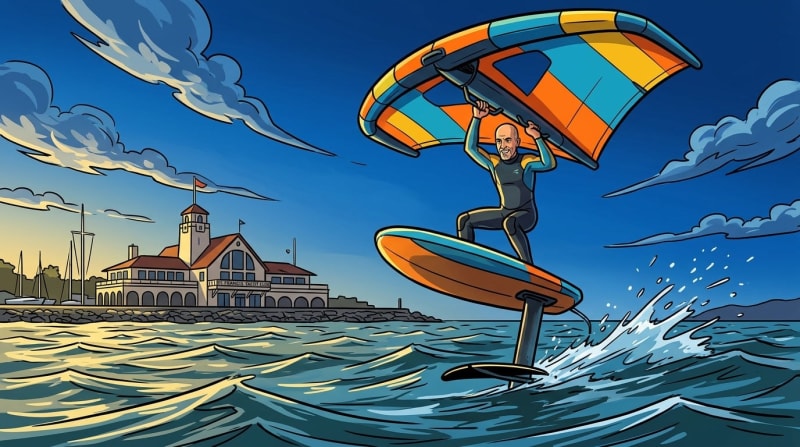
Two US Wingfoil Championships in 2026: Two Coasts, One Season
The 2026 U.S. WingFoil Championship unfolds across two California venues, months apart, each timed to a different wind window.
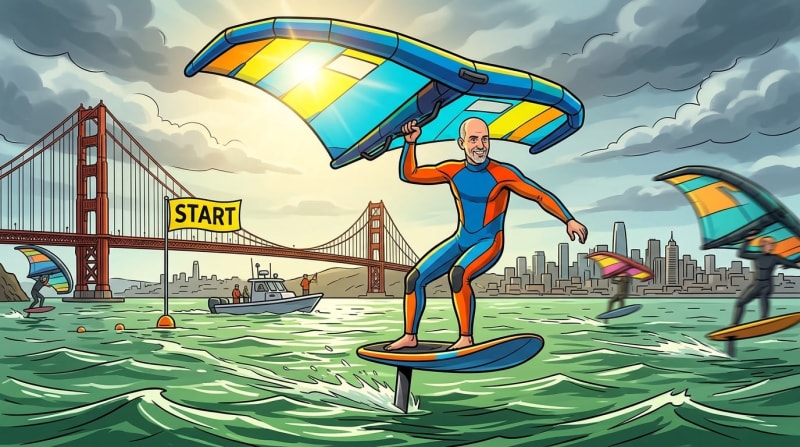
The summer event runs at St. Francis Yacht Club on San Francisco Bay from July 30 through August 2. St. Francis is one of the most storied yacht clubs in American sailing — a venue whose infrastructure and water access match its reputation. San Francisco Bay in late July delivers the kind of consistent afternoon thermal wind that makes wingfoilers move fast and think faster: reliable pressure, technical chop, and the kind of setting that makes a national event feel like a national event.
The fall event moves to Alamitos Bay Yacht Club in Long Beach, running October 9-12. Long Beach is its own kind of famous — the city hosted Olympic sailing in 1932 and 1984. Alamitos Bay is protected enough for technical racing while still providing the wind conditions wingfoil racing needs to produce meaningful results.
Both events run open class. No spec equipment. No mandatory wing model or foil brand. You bring what you ride.
This is the first year with two national wingfoil championships in the US — doubled from the single event in 2025. The trend line is short, but in a sport that didn't have a governing body championship at all a few years ago, it points in one direction.
US citizens competing at either event need an active US Sailing membership. International competitors can participate with equivalent membership from their national governing body. The open class format does the rest — your quiver qualifies.
Why This Means More Than Another Event on the Calendar
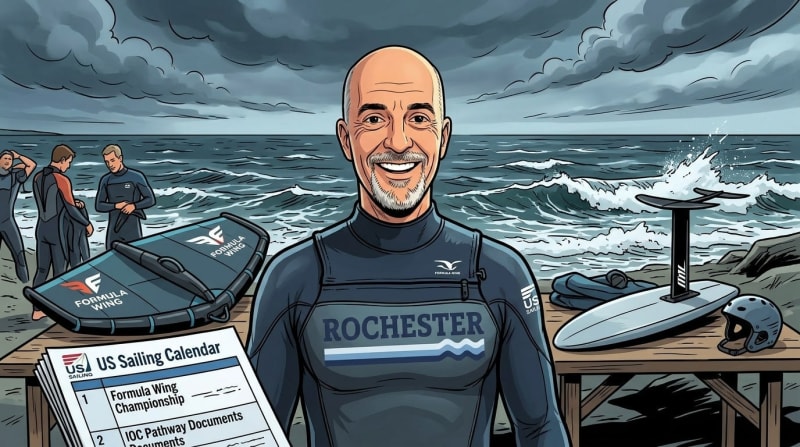
Why This Means More Than Another Event on the Calendar
US Sailing is not a race promoter. They are the national governing body recognized by World Sailing — the international federation that manages the Olympic sailing program. When they put a discipline on their national championship calendar, they are not just organizing an event. They are declaring that this discipline belongs.
In 2026, they're saying it twice.
The conversation about wingfoiling's Olympic future runs through exactly this kind of institutional infrastructure. Formula Wing — the competitive discipline that wingfoil racing is organized around at the highest levels — has been under active consideration as a future Olympic sailing discipline. The IOC's pathway for new disciplines runs through national governing bodies like US Sailing. Development pipelines, coaching infrastructure, national ranking systems — these are the preconditions, and they don't get built without championship calendars to anchor them.
"All competitors race on the same equipment, ensuring results are determined by athletic ability, racecraft, and decision making on the water."
— The Foiling Magazine, on the X-15 one-design format
That's what's being built here — not just an event, but the scaffolding that turns a scene into a sport with pathways, rankings, and representation at the highest levels of international competition.
What does it mean when a national governing body doubles its championship investment in a single year? It means the political will is there, the infrastructure is being built, and the sport has crossed a threshold it won't cross back over. The question now is what gets built on top of it.
Who Should Consider Racing
Who Should Consider Racing
Honest answer: more people than are currently thinking about it.
The open class format removes the biggest objection most recreational wingfoilers raise when national championship racing comes up. You don't need a spec race board or a particular wing model. You don't need to match a class legal template. The equipment you learned to jibe on — the foil that finally clicked — is the equipment you register with.
US Sailing membership is the requirement for US citizens. It's an annual membership and it's what opens national championship eligibility. From there, it's entry fee and travel.
What does the competitive racing experience feel like for someone doing it for the first time? It's closer to a high-stakes clinic than a humiliation. At open national events in emerging disciplines, the fleet is not full of professionals — it's full of serious enthusiasts who decided to find out what racing felt like. The starts will be chaotic. The mark roundings will be creative. The wind holes will find you at the worst possible moment. And then you'll look at the data afterward and realize you went faster than you thought, read conditions more actively than you ever have in a casual session, and learned more about your gear in three races than in three months of weekend riding.
Racing changes how you learn. It forces decisions. It teaches you to read conditions not as scenery but as strategy. That alone makes showing up worth doing once, regardless of where you finish.
What would it feel like to be on San Francisco Bay in August, start line set, competing in a national championship in the sport you've been riding for a year or two? That's a question worth answering in person.
The Bigger Picture: Where US Wingfoil Racing Goes From Here
The Bigger Picture: Where US Wingfoil Racing Goes From Here
The US Sailing championships don't exist in isolation. The wingfoil racing calendar is scaling globally in ways that make 2026 look like a pivot year across the board.
In one-design racing, the X-15 class has become a meaningful benchmark. The Foiling Magazine reported that 115 riders from 15 or more nations registered for the 2026 Portimao X-15 series — an international one-design fleet where results come down to athletic ability, racecraft, and decision making, not gear budget. That's a serious international field by any measure.
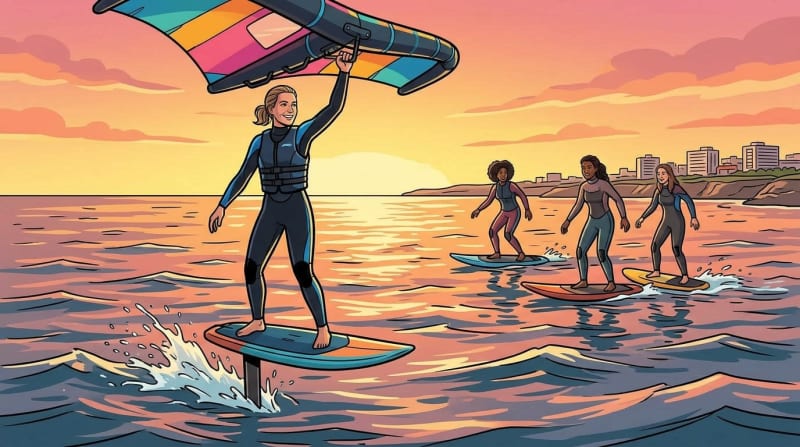
The same Portimao event launched the first-ever Women into Wing camp, led by Starboard rider Alice Read. That detail matters because inclusion programs don't appear in sports that are still figuring out whether they're sports. They appear in sports that have already crossed the threshold.
The GWA Wingfoil World Tour has been building professional racing infrastructure for years. The Formula Windsurfing Racing League has been expanding its calendar. And now two US national championships anchor the domestic season at either end of the year. The venues, the disciplines, and the organizations are all scaling at the same time.
What does this mean for recreational wingfoilers who have no interest in ever competing?
More than it might seem at first. A healthy racing ecosystem funds coaching development, accelerates equipment innovation, and attracts the kind of investment that improves access across the board. When a sport has national championships, local clubs start building development programs. When there are rankings, there are targets. When there are targets, people train — and the conditions, instruction, and community around them improve for everyone on the water, racing or not.
Racing is not the point of wingfoiling for most people who do it. But a healthy race ecosystem makes the whole thing better: the culture, the gear, the access, the community that shows up on the water with you.
The 2026 US wingfoil championships are not just two events on a calendar. They are a signal that the infrastructure is being built — on two coasts, across two seasons, by the organization that represents American sailing to the world.
Whether you're planning to race or just watching from the cliffs above the St. Francis start line, that's your invitation. Show up. See what it looks like when a sport you love decides it's ready.
Content ID: dVvEU9yDJ4VoIkIv599Afy2h
See an error? Tell us.
Comments
Share with the Community